


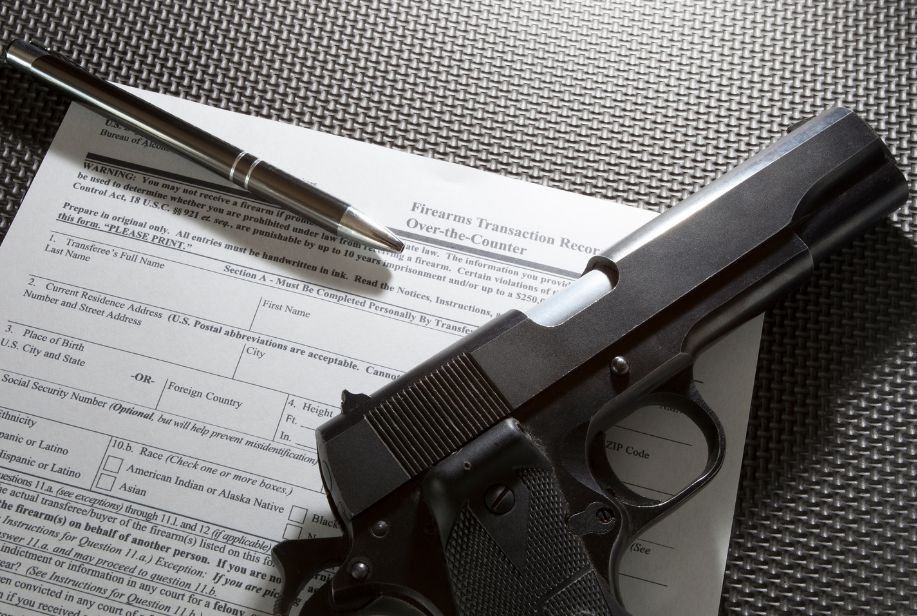
Firearm charges are prosecuted aggressively in British Columbia. Even when no one is injured, these offences are treated as high-risk due to their potential for serious harm. This impacts everything from bail decisions to how the Crown approaches sentencing.
If you are facing firearms charges, often referred to as gun charges in BC, it is important to understand two things early on: what the Crown must prove and where a defence lawyer will look for weaknesses. These cases frequently turn on issues like possession, knowledge, lawful authority, the legality of police conduct, and whether the facts align with the specific offence charged.
This guide provides a practical overview of common firearm offences, potential penalties, and defence strategies in British Columbia. It is general information only and not legal advice.
Why Firearm Charges Are Different
Unlike many criminal cases that focus primarily on what happened, firearm charges often involve an additional layer of legal complexity. The law distinguishes between non-restricted, restricted, and prohibited firearms, and liability can depend on details such as:
- Whether the firearm was loaded
- Whether ammunition was accessible
- Whether proper licensing and registration were in place
- Whether the individual was subject to a weapons prohibition
Even small factual differences can significantly change the legal outcome. Because of the long-term consequences, including firearm bans and employment limitations, it is important to approach these cases strategically from the outset.
Common Firearm Offences in British Columbia
Firearm offences are governed by the Criminal Code and applied across Canada. The following are among the most commonly charged in BC.
Unauthorized Possession (Licensing and Registration)
Unauthorized possession is one of the most common firearm-related charges. It typically involves allegations that someone possessed a firearm without the required licence, and in some cases, without proper registration.
These situations often arise from vehicle stops, domestic calls, search warrants, or investigations tied to other offences. The details matter, especially regarding who had access to the firearm, where it was found, and what the accused knew.
Possession of a Loaded Restricted or Prohibited Firearm
This is a more serious allegation, often involving handguns. It includes possession of a loaded restricted or prohibited firearm, or one with accessible ammunition.
These cases tend to attract stricter bail positions and more severe sentencing exposure. A key issue is whether the Crown can prove actual possession and control, rather than mere proximity.
Careless Use, Storage, Handling, or Transport
Some firearm charges focus on safety rather than intent. These cases often involve questions such as:
- Was the firearm stored securely?
- Were reasonable steps taken to prevent access?
- Was it transported according to legal requirements?
While these allegations may seem straightforward, they often become more complex when examined in full context.
Possession for a Dangerous Purpose
This charge involves allegations that a firearm was possessed in a way that posed a risk to public safety. The Crown may rely on surrounding circumstances, such as location, conduct, or alleged threats, to establish intent.
A common defence issue is whether the Crown is relying on assumptions rather than concrete proof of a dangerous purpose.
Using a Firearm During the Commission of an Offence
When a firearm is allegedly used during another offence, the stakes increase significantly. These cases often involve complex issues around identification, witness reliability, and whether the object meets the legal definition of a firearm.
Breaching a Weapons Prohibition Order
If someone subject to a weapons prohibition is found with a firearm or ammunition, additional charges may be laid. These cases can quickly become complex, especially if the order is unclear, outdated, or misunderstood.
Because breach allegations suggest non-compliance with a court order, they can influence both bail and sentencing outcomes.
Penalties and Consequences: What Is at Stake
Penalties for firearm offences vary depending on the charge and the circumstances. Possible consequences include:
- Jail, including significant custody in serious cases
- Probation with strict conditions
- Firearm forfeiture and destruction
- Long-term or lifetime weapons prohibitions
- Restrictions affecting employment, travel, and licensing
Even without jail time, a weapons prohibition can have lasting practical consequences, especially for individuals who rely on firearms for work or recreation.
Common Defence Strategies in Firearm Cases
Every case is unique, but there are several recurring defence approaches in firearm litigation. A strong defence typically involves challenging the Crown’s case at multiple levels.
1) Challenging Possession and Control
Possession is often the central issue. The Crown must prove that the accused knew about the firearm and had control over it.
Key questions include:
- Who owned or controlled the space where the firearm was found?
- Who had access to that space?
- Was the firearm shared or hidden?
- Is the Crown relying on proximity rather than true possession?
This is particularly relevant in shared living situations or vehicles.
2) Knowledge and Unauthorized Possession
In many cases, the Crown must prove a mental element. The difference between misunderstanding and intentional unlawful possession can be significant.
A defence will examine:
- What the accused knew about the firearm
- Whether they believed they were authorized
- Whether intent can be proven beyond a reasonable doubt
3) Challenging Classification and Key Facts
Some charges depend heavily on technical details, such as:
- Whether the firearm was loaded
- Whether ammunition was accessible
- Whether the firearm was operable
- How the firearm is legally classified
Defence strategies may focus on gaps in testing, documentation, or evidence handling.
4) Charter Defences
Many firearm cases arise from police searches or investigations. If police acted outside their legal authority, Charter challenges may apply.
Common issues include:
- Whether the stop or detention was lawful
- Whether the search was authorized
- Whether warrants were valid and properly executed
- Whether statements were voluntary
These challenges can be critical, as firearm cases often rely heavily on seized evidence.
5) Defending Weapons Prohibition Breaches
When a breach is alleged, the defence may examine:
- The wording of the prohibition order
- Whether the accused understood the conditions
- Whether possession was knowing
- Whether the seized item fits the legal category
These cases are not always as straightforward as they appear.
Sentencing Strategy in Firearm Cases
Not all cases go to trial. Where resolution is possible, sentencing advocacy becomes essential.
Courts focus on public safety, deterrence, and denunciation, but outcomes can vary depending on how the case is presented.
Effective sentencing arguments may highlight:
- The difference between regulatory issues and dangerous conduct
- Stable employment and community support
- Engagement in treatment where relevant
- Practical conditions to reduce future risk
Even where a conviction occurs, a strong sentencing strategy can significantly influence the outcome.
Contact Michael Shapray About Firearms Charges in BC
Firearm charges can move quickly, and early decisions often shape the direction of the case. If you are facing allegations such as unauthorized possession, other gun charges in BC, or breach of a weapons prohibition, it is important to seek legal advice as soon as possible.
Contact Michael Shapray to review your case, assess the evidence, and develop a defence strategy tailored to your situation in British Columbia.